
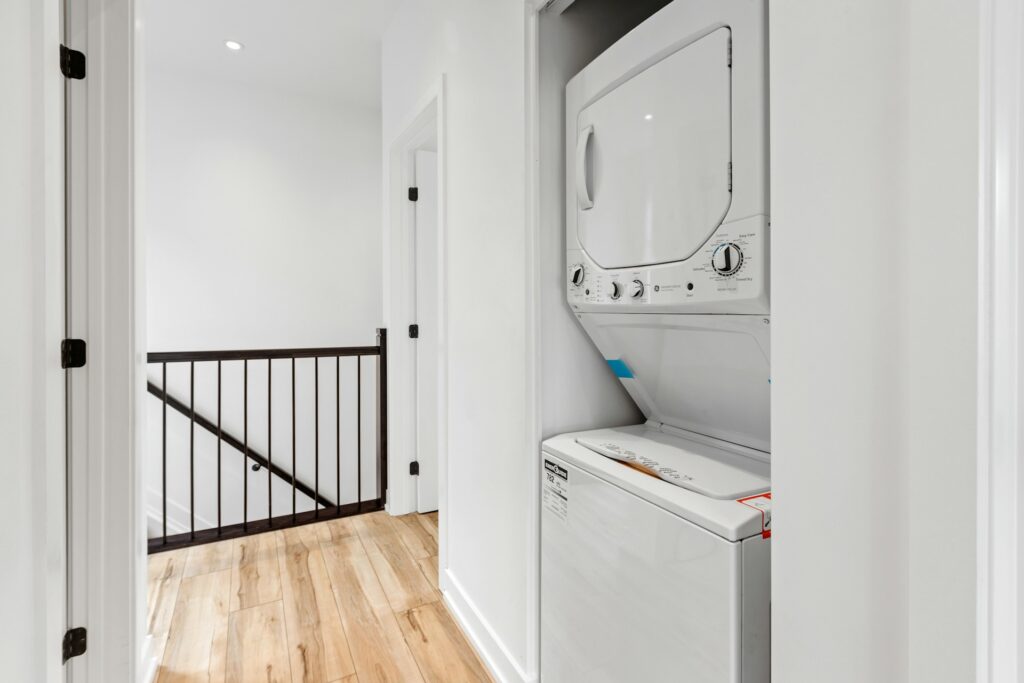
Peak-Season Laundry Safety for Arlington Multifamily Owners
Shared laundry rooms in Arlington apartments work hard in late spring and summer. Tenants are washing pool towels, team uniforms, guest bedding, and move-out loads all at once. More laundry means more dryer time, and more dryer time means more lint. When that lint piles up in shared vents, the fire risk climbs fast.
In multifamily buildings, dryers often share long vent runs that twist through walls and ceilings before they reach the outside. Lint collects in every turn, airflow drops, and dryers run hotter than they should. Add in busy tenants who are focused on getting laundry done, not on safety, and you have a setup where one small spark can turn into a big problem.
We put together this peak-season checklist to help Arlington property managers and owners cut dryer fire risk in shared laundry rooms. We will walk through practical steps you can plug into your building routine: clear lint trap rules, safer vent layouts, smarter inspections, and simple tenant signs that actually work during your busiest months.
Smart Lint Trap Policies That Tenants Actually Follow
Lint traps are the first line of defense, but only if people use them the right way every single time. In a shared laundry room, one person who skips cleaning the trap can affect everyone who uses that dryer after them. That is why a clear, building-wide standard matters.
Set simple rules such as:
- Clean the lint trap before every load
- Throw lint into the trash can, never on the floor or into sinks or toilets
- Report broken or missing lint screens to maintenance right away
Make it very easy to follow the rules. Post short, step-by-step stickers on or just above each dryer. Use large pictures that show a hand pulling the screen, removing lint, and putting it in the trash. Many tenants are in a rush, some speak different languages, and some are tired from work, so quick visuals help more than long written instructions.
During peak laundry months like late spring and summer, add some accountability. Have maintenance or cleaning staff do a fast walk-through every day and peek at the lint traps. A quick open-and-check takes seconds but reminds tenants that someone is paying attention. Then back that up with a simple weekly checklist from May through August where staff confirm:
- Lint traps are present and not torn
- Doors close fully
- Trash cans are nearby and not overflowing
Small habits like this keep lint from building up in places where it should never be.
Setting Safe Limits on Dryer Vent Length and Routing
In many multifamily buildings, the dryers are placed wherever they fit, and the venting is added around them. That often leads to long, twisting runs of vent pipe that snake through tight spaces. This is hard on dryers and raises fire risk. The longer the path, the more chances lint has to stick, and the more the dryer has to work just to push out hot air.
Good vent routing keeps airflow strong and lint moving out of the building. As a general mindset, your maintenance team should aim for:
- The shortest vent path possible from dryer to outdoors
- As few bends as you can manage
- Sturdy, code-compliant vent material instead of thin, crushed, or improvised flex hose
Behind each machine, leave enough space so the vent is not pinched against the wall. A dryer that is shoved back too far often has a crushed hose, which traps lint and overheats the system. In shared laundry rooms, that can affect multiple dryers at once.
Unit turns and laundry room upgrades are perfect times to review vent layouts. When a unit is empty or a room is already shut down for other work, bring in a professional to look at where vents run, how long they are, and where they terminate. That is the right time to shorten problem runs, straighten out sharp turns, and swap out old or damaged materials.
Inspection Cadence for Busy Shared Laundry Rooms
During busy months, shared laundry rooms in Arlington can feel like they are running non-stop. A set inspection rhythm keeps problems from sneaking up on you. Think of it as a simple calendar routine you repeat every peak season.
For late spring and summer, a practical schedule is:
- Monthly in-room safety checks by on-site staff
- Quarterly professional dryer vent cleaning for shared systems
During monthly checks, your team should look and listen for warning signs:
- Dark marks, scorching, or discoloration around dryer doors
- Dryer tops or sides that feel hotter than normal to the touch
- Dryers needing two or more cycles to dry average loads
- Burning or hot plastic smells while machines are running
- Loose or sagging vent connections behind dryers
- Lint dust on walls, ceilings, or around wall caps
These are all signals that lint is hiding where you cannot see it. For multifamily properties, professional dryer lint removal in Arlington, TX, is especially helpful because shared vents are often long and tricky. Pros have tools that reach deep into the lines, out to roof or wall exits, and through shared ducts that serve several units or laundry rooms. That kind of cleaning goes far beyond what in-house staff can safely handle.
Tenant Signage That Prevents Dryer Disasters
Rules only work if tenants notice them at the right moment. In laundry rooms, that moment is when someone is standing in front of the machines with a basket in hand, not when they are signing their lease. Good signs are short, visual, and focused on action.
Key messages to post directly above the dryers:
- Clean Lint Trap Before Every Load
- Do Not Overload Dryers
- No Flammable Liquids or Oily Rags In Washers or Dryers
- Remove Clothes As Soon As Cycle Ends
Use large fonts and simple icons, like a crossed-out gas can for flammable liquids or a big thumbs-up next to a clean lint screen. In late spring and early summer, add extra reminders about heavy items. Bulky bedding, thick towels, and pool gear shed a lot of lint, so it helps to post seasonal notes such as:
- Washing large blankets? Clean the lint trap halfway through dry time
- Pool towels create extra lint, check traps more often
Every sign should also give clear, calm guidance on what to do if something seems wrong:
- How to shut off the machine safely
- Who to notify during office hours
- How to report burning smells or strange noises after hours
When tenants know what to look for and what to do, they become part of your fire safety plan instead of a blind spot.
Arlington Dryer Lint Removal and When to Call TexVents
Even with great lint trap habits and smart vent layouts, shared laundry rooms still need regular professional care. A simple rule for property managers is to call in a pro when:
- Dryers are taking more than one cycle to dry normal loads
- Several units or machines share one long vent run
- It has been a year or longer since the last full vent cleaning
Routine dryer lint removal in Arlington, TX lowers fire risk across your whole building, not just at one machine. Clean vents mean better airflow, shorter dry times, and less wear on dryer parts. That helps cut energy use, keeps machines running more smoothly, and reduces the number of urgent calls you get about “broken” dryers that are really just clogged vents.
At TexVents here in the greater Fort Worth area, we focus on dryer vent cleaning, chimney sweeping, and chimney repair for local homes and multifamily properties. For shared laundry rooms, that includes cleaning long vent runs, checking terminations on roofs or exterior walls, and spotting issues that should be fixed before they turn into real hazards. For properties with fireplaces as well as shared laundry, a combined look at both dryer vents and chimneys can round out your safety plan for the whole community.
Breathe Easier With A Safer, More Efficient Dryer Today
If your laundry is taking longer to dry or your dryer feels unusually hot, it is time to schedule professional dryer lint removal in Arlington, TX with TexVents. Our team will clear hidden lint buildup to reduce fire risk and help your dryer run more efficiently. Reach out today to book your service or ask questions through our contact page.