
Hidden Triggers That Turn Dryer Vents Into Fire Risks
A blocked dryer vent can turn a normal laundry day into a real safety problem before you even know anything is wrong. Many Mansfield homeowners think the only threat is a lint screen that has not been cleaned in a while, but the truth is, trouble often starts in places you cannot see. When air and heat cannot move out of the dryer the way they should, the risk of overheating and fire goes up fast.
Late summer is a busy laundry season around Mansfield, with school clothes, sports uniforms, towels, and bedding running through the dryer all week. That heavy use often lines up with the point when lint buildup is already near its peak. We want to walk you through the unexpected triggers that can suddenly block your dryer vent, what warning signs to watch for, and why professional dryer vent blockage removal in Mansfield is such an important part of keeping your home safer.
How Everyday Habits Quietly Clog Your Dryer Vent
Most dryer vent problems do not start with a single big mistake. They build up quietly through everyday habits that seem harmless. The way we sort clothes, load the dryer, and choose settings can all change how much lint gets pushed into the vent.
Heavy late-summer laundry loads are a common trigger. Back-to-school season often means:
- Frequent loads of jeans, hoodies, and thick cotton shirts
- Extra towels from pools, sports, and showers
- Bulky items like bedding, comforters, and blankets
These items shed a lot of lint. When they are packed into the dryer and run on high heat, the dryer has to push harder to move air out through the vent. That strong airflow carries more lint deeper into the vent line, where it starts to stick and collect.
Some common shortcuts add to the problem:
- Running load after load with no cool-down time so the vent stays hot
- Using high heat for mixed fabrics that would do better on medium or low
- Skipping regular lint screen cleaning
- Letting fabric softener and dryer sheet residue coat the lint screen
That sticky residue blocks airflow through the lint screen, so more lint gets forced around it and into the vent. Lint also likes to hide in spots many people never think to check, like:
- Around the dryer door gasket
- Inside the lint trap cavity below the screen
- In crushed or kinked flexible hoses between the dryer and the wall
Those soft, flexible hoses are easy to bend or smash when the dryer is moved. Once the hose is pinched, it becomes a choke point that catches lint and slows air, which makes even more lint settle in that same spot.
Outdoor Factors That Suddenly Block Dryer Vents
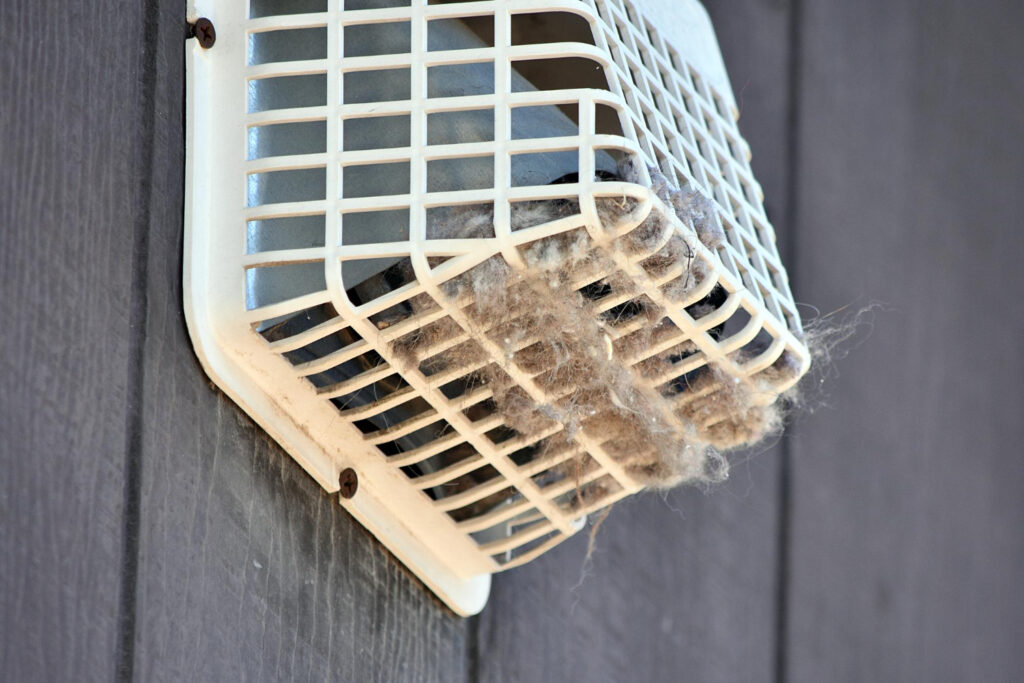
Even if you are careful with laundry habits, the outside end of the vent can still surprise you. Around Mansfield, late-summer storms, high winds, and dry, dusty stretches are all tough on exterior vent covers.
Wind and weather can:
- Blow grass clippings, leaves, and yard debris against the vent hood
- Pack Texas clay dust into screens and flaps
- Warp plastic covers after long exposure to heat and sun
If the vent flap sticks closed or only opens partway, air from the dryer has to squeeze through a smaller opening. That back pressure pushes lint to settle inside the vent pipe instead of leaving the house.
Wildlife and insects also like warm, sheltered vent openings. Birds, squirrels, and small rodents may see the vent terminations as a cozy, protected spot for nesting. Insects, like wasps, mud daubers, and spiders, can fill covers and short vent sections with:
- Mud nests
- Paper nests
- Heavy webs and egg cases
All of that can block the vent almost overnight.
Landscaping and home improvement projects often add to the problem without anyone meaning to. New shrubs, taller grass, or fresh mulch can be placed right under the vent, where they trap damp lint and cut down airflow. Painting or new siding work sometimes seals the vent edges or covers the opening with caulk or material overspray, leaving the dryer to struggle against a half-blocked exit.
Appliance Changes That Trigger Sudden Vent Problems
A new dryer can also bring new vent troubles. Many modern units move more air and run hotter than older models. If the vent system in your Mansfield home was built for a small, basic dryer, it may not handle the stronger airflow from a newer machine.
Here is where problems often show up:
- Long vent runs that travel through attics, crawlspaces, or multiple turns
- Older vents with several bends that already collect lint in corners
- Upgraded dryers placed on the same old vent line without changes
When you move or remodel the laundry area, vent issues can pop up right away. DIY dryer moves often lead to:
- Longer vent paths with extra turns that slow air
- Swapped in flexible plastic or foil ducting that kinks and sags
- Tight spots behind cabinets where the hose gets pinched
After any change, it is smart to pay attention to warning signs like:
- Clothes taking more than one cycle to dry
- Fabric coming out very hot or with a slight burning or musty smell
- The laundry room feeling hotter and more humid than usual
These are often early hints that the vent is not clearing the way it should and that lint is building up faster than before.
When “Minor” Home Projects Create Major Vent Blockages
Home projects that seem small can have a big effect on your dryer vent. Work like new flooring, drywall repairs, or cabinet upgrades fill the air with fine dust. That dust does not just settle on furniture, but it also gets pulled into the dryer and vent system, where it sticks to lint.
Inside the vent, you can end up with:
- Drywall dust mixing with lint into a dense layer
- Sawdust and wood shavings catching on vent seams
- Insulation bits clinging to moist lint in cool sections of the run
This mix can harden and form stubborn clogs that basic surface cleaning will not clear.
Garage and utility room clutter is another hidden trigger. When boxes, bins, or tools get stacked behind or beside the dryer, they can lean into the hose and crush it. Pet beds, rugs, and laundry piles pressed against wall vents slow the air coming out and make the dryer work harder.
Even seasonal deep cleaning can go wrong. Common mistakes include:
- Pulling the dryer out, then shoving it back without checking the hose path
- Leaving the vent connection loose, leaky, or only partially attached
- Trying DIY cleaning with makeshift tools that push lint deeper into the vent
Those efforts can compact lint in the middle of the line, where it is hard to reach without the right equipment.
Protecting Your Mansfield Home with Pro Vent Clearing
When you add up heavy laundry habits, outdoor blockages, appliance changes, and home projects, it is easy to see how a clear dryer vent can suddenly become a serious fire risk. That is why professional dryer vent blockage removal in Mansfield is so important for local homes. Trained technicians have tools that travel the full length of the vent, loosen packed lint, and pull it out safely instead of just shifting it around.
Professional service also gives you a fresh set of eyes on the whole system. A tech can spot damaged vent material, unsafe routing, or signs of animals and insects inside the line, then explain options to correct those issues. Late summer is a smart time to get this done, before cooler weather and busy holiday seasons bring more laundry, more guests, and longer drying times.
Between visits, simple awareness at home goes a long way. Pay attention to how long loads take, how hot the dryer feels, and how strong the airflow is from the outside vent. If anything seems off, it is often better to stop using the dryer until a professional can inspect and clear the vent. That extra bit of care can help keep your Mansfield home safer and your laundry running smoothly all year.
Protect Your Home With Safe, Efficient Dryer Vent Cleaning Today
If you have noticed longer drying times or excess heat from your dryer, now is the time to schedule professional dryer vent blockage removal in Mansfield. At TexVents, we use specialized equipment to clear built-up lint and debris so your system runs safely and efficiently. Reach out today to book your service or ask questions about your specific setup, and we will walk you through the next steps. If you prefer, you can also contact us to find a convenient appointment time.