
Stop Summer Smoke Smell From Taking Over Your Home
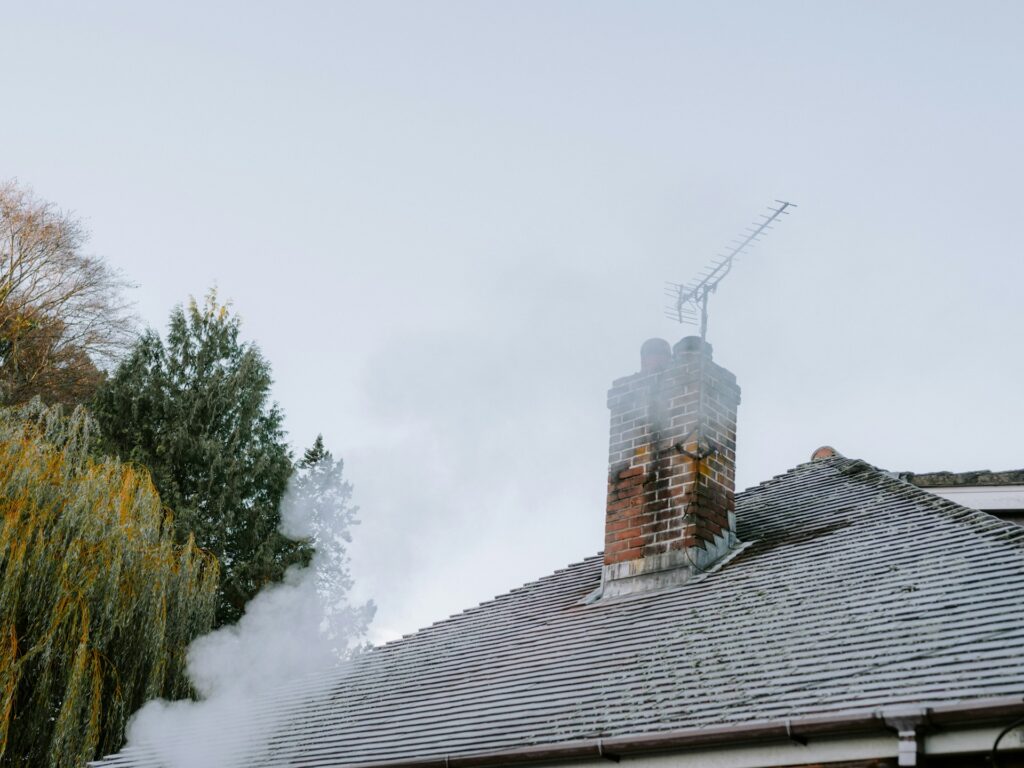
Hot, sticky Arlington summers can bring out some strange smells inside a home. One of the most confusing is a campfire or smoky odor that shows up even when no one has touched the fireplace in months. Many homeowners first blame the AC or think something is burning in the vents, but the real problem often starts at the chimney.
On a very hot day, your house can actually start pulling air inward instead of letting it drift out. When that happens, the chimney becomes an easy path for outside air and old fireplace odors to sneak back in. If the flue is dirty, damp, or not sealed well, those odors get stronger and spread faster.
In this article, we will explain how summer negative air pressure works, why it makes chimney smells worse, and what you can do about it. We will look at fireplace chimney cleaning in Arlington, how bathroom fans and dryers play a part, and how dampers and caps help keep that smoke smell where it belongs, outside your living space.
How Summer Negative Air Pressure Pulls Odors Inside
Negative air pressure sounds technical, but the idea is simple. Your house pushes air out through different exhausts, and that air has to be replaced from somewhere. When more air is pushed out than can easily come in, the house starts to “suck” air through any opening it can find.
Common ways air gets pushed out include:
- Bathroom exhaust fans
- Kitchen range hoods
- Clothes dryers
- Some whole-house fans and vented appliances
In Arlington, homes are often closed up tight in summer to keep the AC inside. Windows stay shut, doors stay closed, and weatherstripping blocks small leaks. That is great for comfort, but when you run fans and dryers for long periods, fresh air has a harder time slipping back in. Your chimney then becomes a handy makeup air source.
Inside the flue, warm, odor-filled air sits along with soot and creosote. When the house goes negative, that air is pulled down instead of rising up and out. If the chimney is dirty or partially blocked, airflow gets even more confused, and those smoky, musty odors get pulled straight into the room.
A few chimney issues that can make this problem worse include:
- A missing or damaged chimney cap
- A stuck, broken, or poorly sealing damper
- A flue coated with thick soot or creosote
- Moisture problems that leave the interior damp and musty
Once negative air pressure starts pulling through that messy flue, the smell can spread quickly and feel much stronger than before.
Fireplace Chimney Cleaning in Arlington to Reduce Odors
Inside a chimney, soot, creosote, old leaves, and even animal nests can act like sponges for odor. When humid summer air flows through that mix, it picks up all those trapped smells and drops them right into your living room. Heat and moisture both make odors more intense, so summer is often when people finally notice the problem.
A professional fireplace chimney cleaning in Arlington usually includes several key steps:
- Sweeping the flue to remove soot and creosote
- Clearing blockages like nests or fallen debris
- Checking for signs of water entry or standing moisture
- Inspecting the chimney cap, crown, and visible masonry
- Confirming that smoke and air can move up the flue correctly
When the flue is cleaner and smoother, airflow inside the chimney improves. That makes it easier for air to move in the right direction when you do use the fireplace, and it leaves fewer places for heavy odors to cling. A clean chimney will not stop negative pressure by itself, but it lowers the amount of smell that can be pulled in when the house does go negative.
Cleaning is the starting point. It removes the odor source inside the flue so any remaining pressure problems are easier to diagnose and manage. Without this step, you are often just masking the smell, not dealing with what is feeding it.
Fans, Dryers, and Makeup Air: Balancing Your Home’s Airflow
A big part of the problem is what is happening in the rest of the house. Many Arlington homes run exhaust fans more in summer than any other time. Long showers, lots of cooking, and heavy laundry days all add up.
Strong exhaust sources include:
- Bathroom fans that run for long stretches
- High-powered kitchen range hoods
- Clothes dryers venting large amounts of air
- Some attic or whole-house fans
Every bit of air those systems push out has to be made up by outside air coming back in. That replacement air is called “makeup air.” If there is no dedicated makeup air setup, the house will look for the easiest path: gaps around doors, small leaks, or often, the open path of a chimney.
A few simple habits can help reduce how often your home tips into strong negative pressure:
- Avoid running several big exhaust fans at the same time for long periods
- Turn bathroom and kitchen fans off when they are no longer needed
- Spread out laundry loads when possible
For bigger or stubborn issues, an HVAC professional can evaluate how balanced the system is and suggest options for makeup air or pressure control. At TexVents, we do not work on HVAC systems or HVAC duct cleaning, but when the chimney is cleaner and in better shape, it is much easier for other pros to fine-tune the rest.
Dampers, Caps, and Sealing That Keep Odors Out
Think of the chimney damper as the main gate between your living space and the outside. In summer, that gate should be fully closed when the fireplace is not in use. If it does not shut tight, hot, humid, and smelly air has a direct path inside whenever the home goes negative.
Common damper problems that make odors worse include:
- Dampers that are warped, rusted, or stuck partially open
- Missing or broken handles that keep you from closing them fully
- Older throat-style dampers that no longer seal well
A properly sized and installed chimney cap is also important. It helps keep rain, animals, and debris out of the flue, which cuts down on moisture and organic material that can rot and smell. Interior masonry cracks can collect water and soot, turning into long-term odor pockets inside the chimney structure.
With our chimney sweep and chimney repair services, we can:
- Clean and inspect the flue and firebox area
- Check damper operation and make simple adjustments
- Recommend tighter sealing damper upgrades when needed
- Confirm that a cap is present and in good condition
- Seal certain interior masonry issues related to odor and moisture
There are limits, of course. We do not repair chimney flashing, and large structural or roof problems may call for other specialists. But dealing with the inside of the chimney, where most odor issues begin, is a big step toward fresher indoor air.
Take Back Your Summer Air: Next Steps for Arlington Homes
When you put it all together, the chain of events is pretty clear. Strong summer exhaust from fans and dryers, combined with tightly sealed homes, creates negative air pressure. That pressure then pulls through the easiest path, which is often a dirty or poorly sealed chimney, carrying smoke and musty odors indoors. Cleaning, inspection, and better sealing break that cycle.
A simple homeowner checklist looks like this:
- Arrange fireplace chimney cleaning in Arlington before hot weather is at its worst
- Keep an eye on how long bathroom and kitchen fans run
- Avoid running multiple heavy exhausts at the same time when possible
- Make sure the chimney damper closes fully and latches securely
- Look up at the top of the chimney to confirm a cap is in place and not obviously damaged
At TexVents, we focus on dryer vent cleaning, chimney sweeping, and chimney repair for local homeowners. Taking care of both your chimneys and your dryer vents helps keep air moving in the right direction and cuts down on the places where odors can build up. Addressing these areas in late spring or early summer is a smart way to stay ahead of negative air pressure issues before they turn into a smoky, musty surprise.
Protect Your Home With Expert Chimney Care Today
If you are ready to improve your fireplace’s safety and efficiency, let TexVents handle your fireplace chimney cleaning in Arlington with professional care. We use thorough inspection and cleaning methods to help prevent hazards and keep your system running reliably. To schedule a convenient appointment or ask a question, simply contact us and we will walk you through the next steps.