
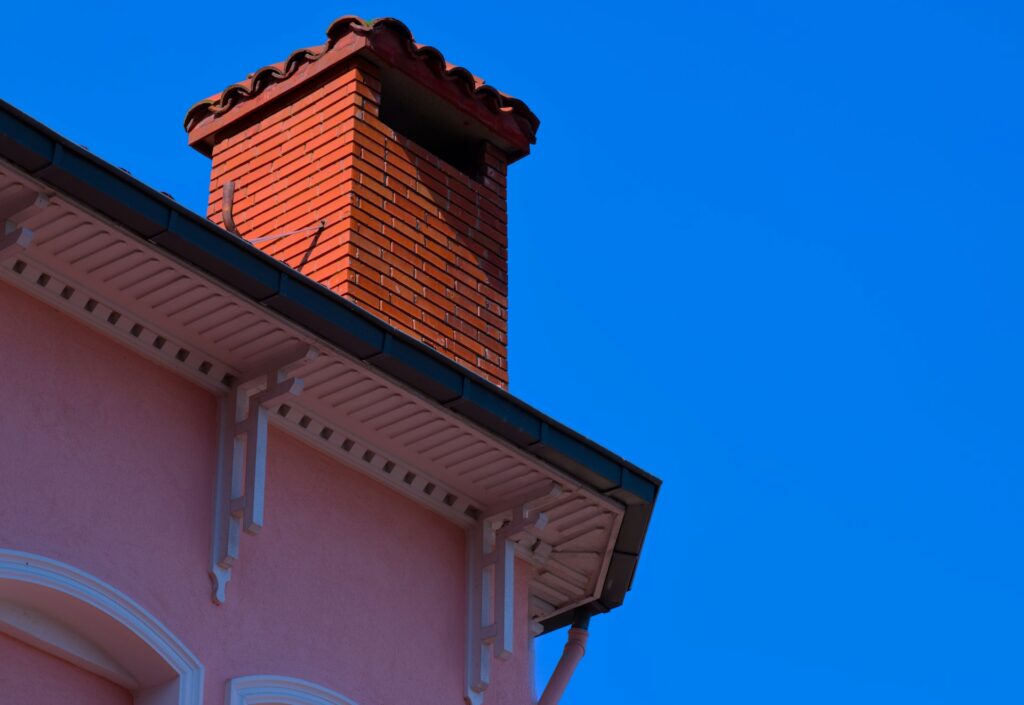
Post-Storm Peace of Mind for Your Mansfield Chimney
Strong storms roll through Mansfield and the greater Fort Worth area often, bringing heavy rain, high winds, and hard hail. Your masonry chimney sits right in the path of all that weather, so it can take a hit long before you notice anything inside your home. After a big storm, a quick, smart check of your chimney can protect both your house and your peace of mind.
Fast, organized documentation helps in three big ways: it keeps your family safer, it catches hidden problems before they grow, and it gives you good proof if you need to file an insurance claim. In this guide, we will walk through what you can safely look for from the ground, what to photograph, how to keep your notes organized, and when it is time to stop looking and call a chimney professional for masonry chimney repair in Mansfield.
Safety First Before You Inspect Any Masonry Chimney
Safety comes before any photo or checklist. A storm-damaged roof or chimney can be weaker than it looks, so treat it with care. If anything feels risky, step back and wait for a pro.
Here are basic safety rules to follow every time:
- Do not climb on a wet, slick, or storm-damaged roof
- Do not lean a ladder on loose gutters, cracked brick, or soft soil
- Stay off steep roofs, even if they look dry
- Do not enter the firebox if you see loose bricks, fallen tiles, or heavy debris
You can still get a good look at your chimney from the ground or from a safe, low vantage point. Simple tools help a lot:
- Binoculars or your phone camera zoom
- Good daylight or a bright flashlight
- Sturdy, closed-toe shoes on level ground
Walk around your home and look at the chimney from more than one angle. If you see any of these, stop your DIY inspection and back away:
- A chimney that looks like it is leaning or tilting
- Missing bricks or stones high up on the stack
- Large chunks of brick or tile in the firebox
- A visible gap where the chimney seems to be pulling away from the house
Those signs point to serious structural issues that should be checked by a trained chimney professional, not from a ladder.
What to Photograph for Your Insurance File
Insurance companies like a clear “storm story.” That means you want photos that show both the big picture and the close-up damage. Start wide, then move in closer as you notice issues.
Work in this order:
- Take wide shots of the whole house, including roofline and chimney, from each side
- Take mid-range photos that frame the chimney and nearby roof together
- Take close-ups of any cracks, missing mortar, flaking bricks, or broken pieces on the ground
Date-stamped photos are very helpful. Along with the chimney itself, take pictures of things that prove a storm hit your property:
- Standing water in the yard or around your foundation
- Hail stones piled in the yard or on hard surfaces
- Broken branches or debris near the chimney or on the roof
- New water stains inside on ceilings or walls near the fireplace or chimney chase
Then keep your files simple and clear. You can:
- Label each photo with the location, like “north side chimney, crown close-up” or “living room ceiling stain”
- Write a short timeline: when the storm hit, when you first checked the chimney, and when you noticed each new issue
This makes it easier to talk with both your insurer and your chimney technician later.
Spotting Spalling, Cracks, and Shifted Crowns
Masonry chimneys do not always fail all at once. Many times, the first signs are small and easy to miss if you do not know what to watch for.
Spalling is a common one. In plain terms, spalling is when the face of a brick starts to break down. You might see:
- Bricks that look pitted, rough, or scaly on the surface
- Thin flakes or chips of brick on the roof or on the ground below
- Bricks that look like they are slowly “peeling” or crumbling away
Storms soak the masonry, then sun and temperature swings dry it out. Over time, that wet and dry cycle speeds up spalling and weakens the chimney.
From the ground, try to get a clear look at the crown, which is the concrete or mortar cap on top of the chimney. Signs that the crown might have shifted or cracked include:
- The top line of the chimney looks uneven or “wavy” instead of straight
- Dark lines or visible cracks across the crown
- Pooled water on top when it has not rained recently
- Brick edges that now stick out where the crown used to cover them
For mortar joints and cracks, some hairline marks are normal with age. Red flags that suggest you may need masonry chimney repair in Mansfield are:
- Cracks that zigzag through both mortar and brick
- Gaps wide enough to catch a fingernail or the tip of a pen
- Areas where mortar is missing altogether, leaving open joints
If you see these, take clear photos from multiple angles and plan on a professional inspection.
Chimney Flashing Gaps Homeowners Can Safely Note
Chimney flashing is the metal that seals the spot where your chimney meets the roof. Its job is to keep water from sneaking into the gap between the brick and the roofing. While TexVents does not repair chimney flashing, we can help spot related chimney issues and moisture damage.
You do not need to get on the roof to notice obvious flashing problems. From the ground or a low, safe spot:
- Metal that is lifted, bent, or curled away from the brick
- Visible gaps between the metal edge and the chimney or shingles
- Rust streaks running down the brick below the flashing line
- Sunlight showing between the chimney and roof if you can see that angle from an attic or upper window
To document possible flashing-related leaks, pair your outside photos with inside ones:
- Take pictures of any stains on walls or ceilings near the fireplace
- Note bubbling paint, peeling drywall tape, or soft trim along the chimney chase
Keep in mind, actual repairs to flashing should be handled by qualified roofing or flashing specialists, not as a DIY job and not from a shaky ladder.
When It Is Time to Call a Mansfield Chimney Pro
There is a clear line between what a homeowner can safely observe and what needs a trained eye. Stop DIY checks and call a local chimney professional if you notice:
- A chimney that leans or looks twisted
- Large cracks, missing bricks, or big chunks of crown gone
- Loose bricks you can move by hand at ground level
- Soot piles, broken tiles, or storm debris in the firebox
- New water inside the firebox, rust streaks on the damper, or strong musty odors around the fireplace
A professional inspection can connect these symptoms to the right service. After storms, that often includes:
- Chimney sweeping to clear leaves, broken tile, or animal nests pushed in by wind
- Chimney repair to address damaged masonry, crowns, or interior components
- Dryer vent cleaning if wind has blown yard debris, lint, or nesting materials around your exterior vent area
A written inspection report with photos from a trusted local expert gives you strong support for any insurance claim. It also serves as a clear roadmap for what repairs are needed and which ones can wait.
Turn Your Checklist Into Real Protection This Season
Storms will keep coming through Mansfield and the greater Fort Worth region. What you can control is how prepared you are. Using a simple checklist after each major storm, taking clear photos, and noting changes over time helps you spot problems early and protect your chimney for the long run.
TexVents is based in the Burleson area and focuses on dryer vent cleaning, chimney sweeping, and chimney repair for local homes, so we understand how hard Texas weather can be on masonry. When you see warning signs on your Mansfield chimney, pairing your own careful documentation with a professional inspection is one of the best ways to keep your home safe, dry, and ready for whatever the next storm brings.
Get Started With Your Project Today
If you are seeing cracks, loose bricks, or water damage, our team at TexVents is ready to help with expert masonry chimney repair in Mansfield. We will inspect your chimney, explain what we find in clear terms, and recommend solutions that fit your home and budget. Reach out today to schedule an appointment or ask questions through our contact page.