Avoid Chimney Surprises Before the First Fall Fire
The first cool front hits the Arlington and Fort Worth area, the air feels lighter, and a cozy fire starts to sound pretty good. Then the smoke rolls back into the living room, the damper sticks, or a strange smell comes from the fireplace. That is when hidden chimney problems turn a relaxing evening into a safety scare.
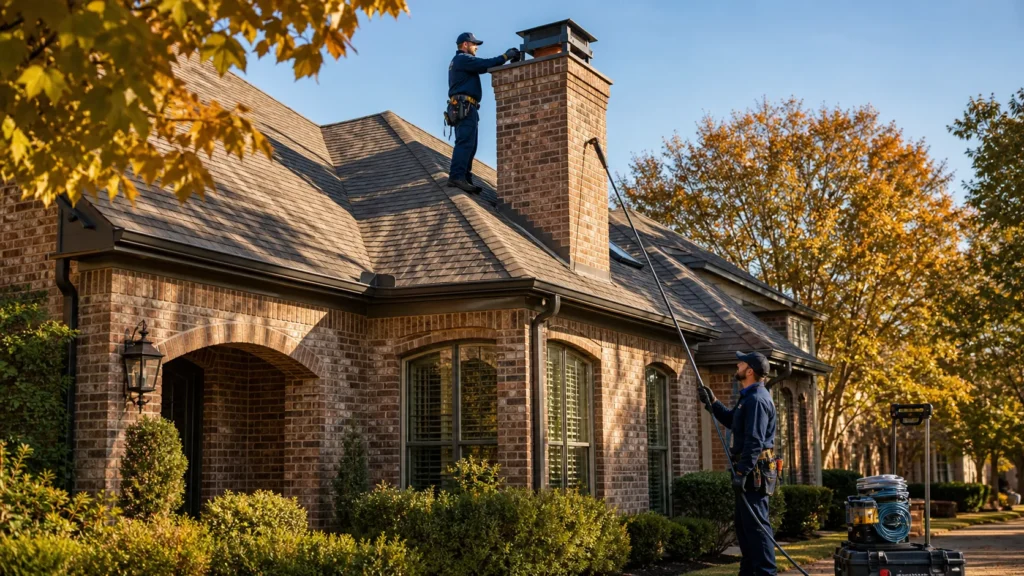
A pre-burn season chimney inspection in Arlington, TX helps you catch those issues before you strike that first match. The best time is usually from late September into mid-October, since North Texas weather can flip from mild to chilly in a day. In this guide, we will walk through when to schedule, how to get your home ready, what to ask your inspector, and what happens once you get your report. We are a Burleson-based company that focuses on chimney sweeping and chimney repairs for local homeowners, and we want your first fire of the season to be a safe one.
Best Time to Schedule an Arlington Chimney Inspection
For most homes, the sweet spot for a chimney inspection in Arlington, TX runs from late September to early November. That window is early enough to beat the biggest rush, but close enough to burn season that your chimney is ready when you want it.
Booking during this time helps you avoid:
- Limited schedule options when the first strong cold front arrives
- Delays that push your first fire weeks later than planned
- Extra stress trying to fix problems at the last minute
Weather matters too. Rain, high winds, or extreme heat can affect roof safety and how thoroughly your chimney can be checked from the outside. A mild, dry day usually gives the technician better footing, better visibility, and less chance of rescheduling.
A few timing tips:
- In early fall, plan to call 1 to 3 weeks ahead to get a convenient time
- If you wait until late November or December, expect longer lead times
- Set a recurring reminder toward the end of summer to lock in your inspection each year
That simple habit helps you avoid the big rush when everyone in the Arlington and Mansfield area suddenly remembers their chimney at the same time.
How to Prepare Your Home for Inspection Day
Getting your home ready makes the visit smoother and safer for everyone. It also helps your inspector see more and work more efficiently.
Inside, clear a working zone around the fireplace:
- Move furniture, rugs, decor, and pet beds at least 4 to 6 feet away
- Take fragile items off the mantel and nearby shelves
- If you can, remove loose ash or leftover firewood pieces in the firebox
Try not to use the fireplace for at least 24 hours before your appointment so everything is cool. A cool firebox and flue make the inspection safer and more comfortable for the technician.
Outside, think about access. Make sure:
- Gates are unlocked and any side yards are easy to pass through
- Driveways or parking areas are open for service vehicles and ladders
- Pets are secured indoors and away from work zones
If you know you have a steep roof, low branches, or uneven ground around the house, mention that when you book or when the technician arrives. That heads-up helps your inspector plan safe ladder placement and roof access.
It also helps to gather some information before the visit. You can:
- Take photos of visible damage, smoke stains, or odd discoloration
- Note any smoky smells, odd drafts, or times the room filled with smoke
- Save previous chimney reports, receipts, or permit records if you have them
- Write down any signs of animal activity, like scratching or chirping in the chimney
The more details you share, the easier it is for the inspector to connect the dots and give you clear answers.
Questions to Ask Your Arlington Chimney Inspector
On inspection day, you should feel comfortable asking questions. A good chimney inspection in Arlington, TX is not just about checking a box; it is about helping you understand what is going on inside your chimney.
Start by asking about the level of inspection and what is included:
- Is this a basic visual inspection or will a camera be used inside the flue?
- Which parts are being checked: firebox, flue liner, damper, chimney cap, crown, masonry, gas logs if you have them?
- Is a chimney sweep included, or should that be a separate visit so creosote and debris are cleared for a better view?
Next, focus on the condition and any safety risks. Ask the inspector to explain issues in plain language, such as:
- Creosote buildup that could catch fire
- Masonry cracks or gaps that could let heat or smoke escape
- Missing or damaged chimney caps that allow rain or animals inside
- Dampers that do not open or close properly
- Signs of water damage inside the chimney structure
It helps to ask for clear priorities:
- Which items must be fixed before you burn again?
- Which items are important but can be handled during the season?
- Which items are cosmetic or long term and just need to be watched?
You can also talk about next steps. Our team handles many common chimney repair needs, like liner concerns, masonry issues, and cap or damper problems. Chimney flashing repairs are not part of our services, so those kinds of issues would need a different contractor. Ask about estimated timelines, whether any repairs might need permits or added inspections, and if any work will require coordinating with other trades.
What Happens After the Chimney Inspection Report Arrives
Once your report comes in, it is time to understand what it says and what to do with it. Most reports include:
- An overall summary of the chimney condition
- Photos or diagrams of key areas
- Notes on any damage or safety concerns
- Recommended repairs or follow-up steps
Take a few minutes to look at every photo and match it to the written notes. Seeing the actual crack, stain, or damaged part makes the report feel less abstract and more like a clear checklist.
Then, sort the recommendations into three piles:
- Must-fix before burning, like heavy creosote, serious structural issues, blocked flues, or major drafting problems that can push smoke or carbon monoxide into the home
- Should-fix within the season, such as moderate wear that could get worse with use
- Monitor over time, including minor cosmetic issues that do not affect safety right now
If any safety concerns are listed as immediate, do not use the fireplace until they are taken care of. That one choice protects your home and family more than any fancy decor or upgrade.
When you are ready to move forward, use the report as the roadmap. Share it with the team doing the repairs or sweeping, and ask where your issues fall on that safety and priority scale. It is also a good time to ask how often your particular fireplace and usage pattern calls for future inspections and cleanings.
Light Your First Fire with Confidence This Fall
A well-timed chimney inspection in Arlington, TX, paired with a bit of simple home prep, turns fireplace season from stressful to peaceful. Instead of wondering if your chimney is safe as the first cold front rolls in, you already know what shape it is in and what, if anything, needs attention.
With a clear report and a realistic repair plan, the whole process feels less like a mystery and more like a simple yearly routine. That way, when you light that first fire of the season, you can focus on the warmth, the quiet, and the comfort, knowing your local chimney professionals have helped you make your home safer and more ready for the cooler months ahead.
Protect Your Home With a Thorough Chimney Evaluation Today
If your fireplace has been working hard this season, now is the right time to schedule a professional chimney inspection in Arlington, TX with TexVents. We will carefully assess your chimney for buildup, blockages, and damage so you can use it with confidence and peace of mind. To set up your appointment or ask questions about your specific situation, simply contact us and we will help you take the next step.