
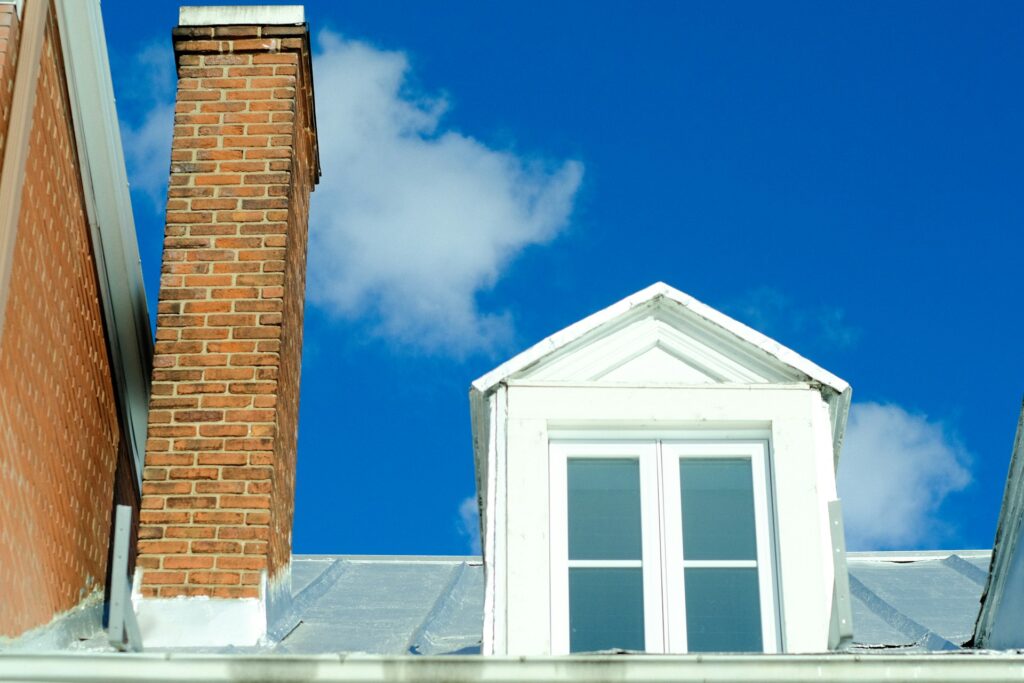
Clean Chimney, Safer Home: Why Timing Matters
A clean chimney is one of the simplest ways to keep your home safer. When smoke cannot move up and out the way it should, you raise your risk of chimney fires and carbon monoxide getting into your living space. A dirty flue also makes your fireplace less efficient, so you burn more wood and get less heat.
Around Arlington and Burleson, winters are usually mild. Many homeowners light a fire here and there, then go months without using the fireplace at all. Because of that stop and start pattern, people often assume they do not need regular cleaning. The truth is, even “occasional” use can build up a dangerous layer of creosote over time.
How often you need fireplace cleaning in Arlington, TX depends on three big things: the type of wood you burn, how often you burn it, and how much creosote is inside your chimney right now. Late spring and early summer are great times to take care of this. Schedules are more open, the fireplace is not in use, and your system can be ready well before the first cool front.
How Chimneys Get Dirty and Dangerous
Any time you burn wood, smoke and vapors rise through the chimney. As they cool, they leave behind a dark, sticky substance called creosote. Creosote is very flammable. When it builds up on the inside of your chimney, it can catch fire from the heat of later fires.
It helps to understand the stages you might see:
- Soot: Soft, powdery black dust, easy to brush off but still needs removal
- Creosote: Dark flakes or crunchy deposits that cling to the walls
- Glazed creosote: Hard, shiny, tar-like coating that can be tough to remove
Each stage is more stubborn and more hazardous than the one before it. Glazed creosote, in particular, can burn very hot if it ignites. It can damage liners and put the rest of your home at risk.
Watch for warning signs of heavy buildup, such as:
- Strong smoky or campfire smell even when the fireplace is cold
- Dark stains or streaks around the firebox or on the face of the fireplace
- Poor draft, trouble getting a fire to start, or smoke rolling back into the room
- Visible shiny or thick deposits when you look inside with a light
When you notice any of these, it is time for a closer look by a professional.
Wood Type Matters: Cleaning Frequency by Fuel
Not all firewood is the same. The kind of wood you burn has a big effect on how fast creosote collects.
Seasoned hardwoods like oak and hickory are common in North Texas. They burn longer and cleaner when properly dried. Even so, they still make creosote, so you do not get a free pass on sweeping.
Softwoods like pine and cedar catch quickly and burn hot and fast. That fast burn can send more unburned particles up the flue, which can stick and turn into creosote, especially with frequent use.
Unseasoned or “green” wood is the biggest problem. It has a lot of moisture. That moisture cools the fire, makes more smoke and steam, and coats your chimney with sticky residue.
General cleaning guidelines many homeowners follow:
- Seasoned hardwood, light use: at least a yearly inspection and cleaning as needed
- Seasoned hardwood, regular use: full sweeping about once per burning season
- Softwood, moderate to heavy use: cleaning once a season, sometimes mid-season checks
- Green or mixed wood: inspections more often, since buildup happens faster
A common myth is that if you burn only hardwoods, you can skip yearly professional cleaning. That is not safe. Even with “good” wood, small layers add up, and you cannot see the whole flue from the fireplace opening.
Usage Levels and Seasonal Habits in Arlington
In our area, fireplaces are used in a lot of different ways. Some are mainly for looks, with candles or gas logs and just an occasional wood fire for guests. Others become the heart of the home on cold nights.
Here is how many Arlington and Burleson homes tend to use their fireplaces:
- Decorative or rare use: A couple of fires a year, mostly for holidays or special evenings
- Occasional winter use: Fires on some weekends or during cold snaps
- Frequent or primary heat: Fires most nights during colder stretches
Practical timelines that fit those patterns:
- Decorative or rare use: A professional inspection every 1 to 2 years, with cleaning done when buildup is found
- Occasional winter use: At least once a year, often in late spring or summer after the main burning season
- Frequent use: Checks about every half cord of wood burned, sometimes including a mid-season cleaning
Our weather swings can make things trickier. Warm spells followed by sudden cold fronts lead to stop and start burning. That pattern can create more condensation in the flue, which helps creosote stick and harden. Regular checks keep those surprises from turning into safety problems.
Creosote Red Flags You Should Never Ignore
Some signs mean you should not wait to get professional help. Pay close attention if you see or notice:
- Black, crusty buildup thicker than about 1/8 inch inside the firebox or flue
- Smoke spilling into the room when you light a fire, even with the damper wide open
- Strong campfire or tar-like odor near the fireplace when it is cold
- Shiny, slick, or tar-like deposits that look almost like black glass
Glazed creosote and very heavy layers can become an urgent safety issue. They can catch quickly and burn very hot. Signs that you may have had a past chimney fire, such as puffy or bubbled creosote, cracked tiles inside the flue, or scorch marks, need prompt attention.
During an inspection, other problems may show up too, such as:
- Damaged or missing chimney liner sections
- Loose or crumbling bricks and mortar joints
- Dampers that are stuck, rusted, or not sealing correctly
These issues affect both safety and performance and are not something homeowners should try to fix on their own.
Professional Cleaning vs. DIY Sweeping
It can be tempting to run a brush up the chimney and call it good. While simple tools can knock down loose soot in the lower section, they rarely clean the full length of the flue or address tougher deposits.
A professional chimney service will typically:
- Use specialized brushes, rods, and vacuums designed for the full system
- Check visible interior and exterior areas for damage or blockages
- Look for creosote stage, not just surface dust
- Watch for signs of water entry, wear, or unsafe conditions
DIY methods and store-bought chimney logs or powders may loosen some soot, but they do not replace a real sweeping and inspection. They often leave glazed creosote and hidden issues in place.
A reputable local sweep will not just wave a vacuum around and leave. The goal is a clean passage for smoke, clear insight into the condition of the system, and clear information you can understand about what was found.
Best Times of Year for Arlington Chimney Service
You can clean a chimney at any time of year, but some times simply work better. In Arlington, late spring and summer are often ideal for fireplace cleaning in Arlington, TX. The fireplace is sitting idle, there is less demand, and it is easier to find a time that fits your schedule.
A smart pattern many homeowners follow is:
- Post-season check: After a busy winter, get an inspection and cleaning so creosote is not sitting in the chimney for months
- Pre-season sweep: Before the next burning season, make sure the flue is clear and ready
Off-season service also helps catch bird nests, leaves, and other debris that can collect when the fireplace is not in use. Keeping the system clean and dry reduces the chance of moisture damage inside the flue.
How TexVents Protects Your Home and Family
At TexVents, we focus on chimney inspections, chimney cleaning, chimney repair, and residential dryer vent cleaning for local homes in and around Burleson and Arlington. Our goal is simple: to help your fireplace and chimney move smoke and gases out of your home as safely and efficiently as possible.
During a typical chimney visit, we check accessible interior and exterior parts of the system, sweep and vacuum to remove soot and creosote, and look for signs of damage or heavy buildup. We work to keep things mess-free and explain what we see in clear, simple terms so you know how to use your fireplace safely. Regular, well-timed care means more peace of mind every time you light a fire.
Protect Your Home With Professional Fireplace Care Today
Give your fireplace the expert attention it needs with our trusted fireplace cleaning in Arlington, TX. At TexVents, we carefully remove soot and buildup to help your system vent safely and efficiently. If you are ready to schedule service or have questions about your specific fireplace, simply contact us today. Let us help you enjoy a cleaner, safer, and more comfortable home.